What happens during puberty, what to expect from your first periods, and when to see a doctor.
 menstrual cycle" class="art-hero-img" style="object-position:center 40%" loading="lazy"/>
Today, let us learn about menstruation. Menstruation — commonly referred to as “menses” or simply “M.C.” — is an important milestone in a woman’s life. As we know, the reproductive organs of men and women are completely different. Naturally, the factors that control them are also entirely different. And who are these controllers? They are, of course, the hormones — the body’s chemical messengers.
Usually, from around the age of nine or ten, girls begin to notice sudden changes in their bodies. Height starts to increase, and weight goes up a little. The breasts begin to develop — the chest that was flat until now starts to become rounded, and the nipples grow slightly larger. In other words, breast development has begun. This makes a girl realise, “Yes, I too am gradually growing up, just like other women.” Then comes the period after the age of twelve — the teenage years, known as adolescence — when the other signs appear. The genitals grow and hair begins to appear around them and in the underarms, and suddenly parents notice, “Oh, our daughter is growing up.” Clothes begin to feel tight! The breasts may feel tender even at a light touch — but there is no reason to be afraid, because your breasts are simply developing. After this begins the menstrual cycle — the M.C.
You may also begin to feel an attraction towards the idea of “sex,” or towards boys in general. Do not be alarmed or feel that you are thinking something wrong. Just like the body’s physical growth, this too is a natural part of growing up — but be sure to understand its true meaning. Your closest friend is your mother! Your classmates are going through the very same stage as you. So open up to your mother and express your feelings. Your mother has been through all of these stages herself, and so she can understand the turmoil in your mind and guide you well. She can make you aware of good touch and bad touch, of inappropriate stares, and of social dangers and ill intentions. During this period, emotional balance can also be disturbed. These days, mobile phones placed in young hands can become an enemy — through the internet, unwanted information that is inappropriate for girls of this age can easily reach them.
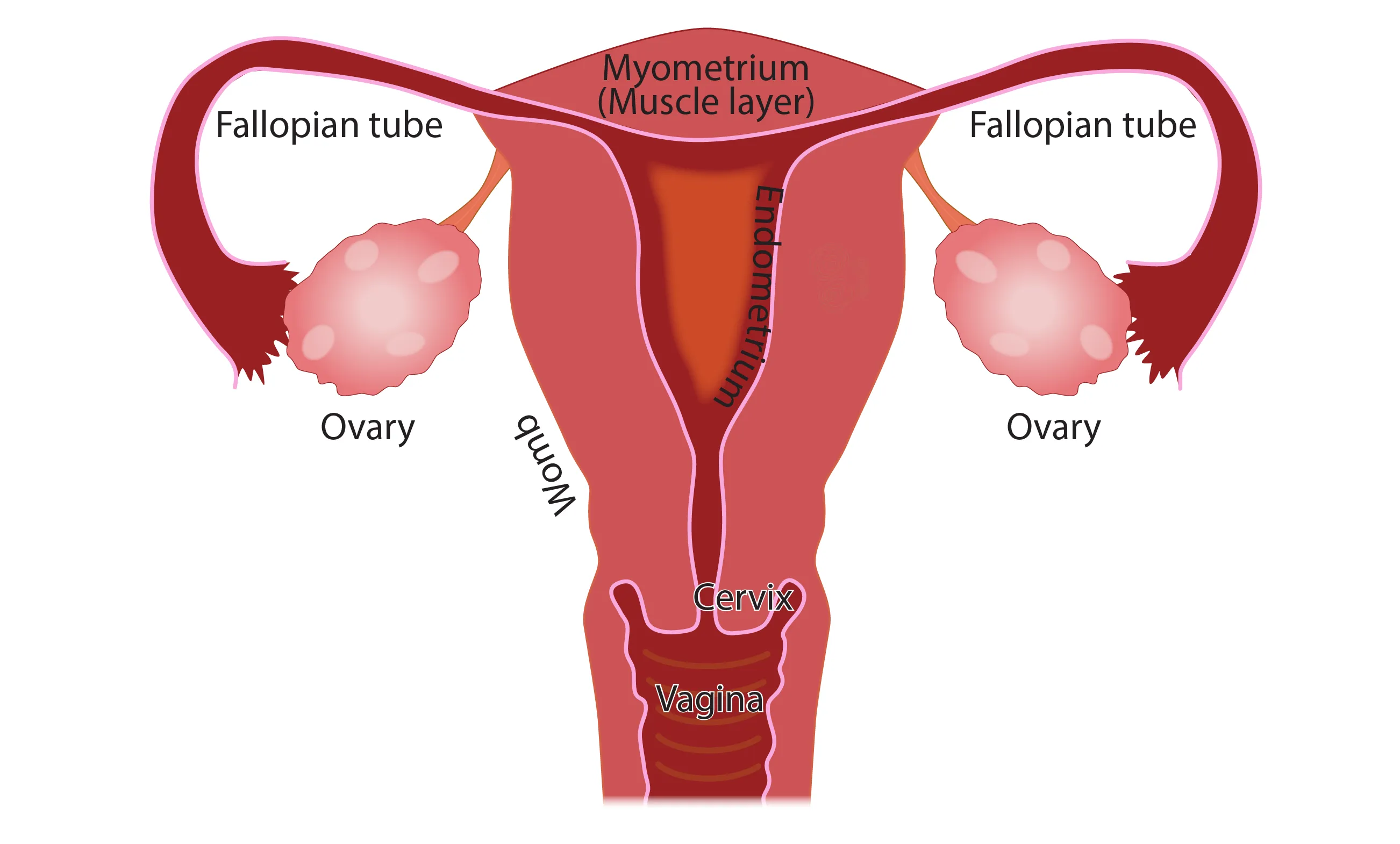
Menstruation is the discharge that comes out through the vagina every month — it is bleeding. Every month, the inner lining of the uterus builds up and is then shed because of hormonal changes; this is what we call bleeding.
In most cases it lasts from two to six days, occurring over a cycle of about twenty-four to thirty-five days. Around sixty to eighty millilitres (60 to 80 ml) of blood may be lost each month — so you see, roughly one litre of blood is lost over a year! That is exactly why it is so important to eat a proper, nourishing diet to replenish it. At this time you may experience abdominal pain, back pain, vomiting, or cramps in the hands and legs — any of these can occur. It even gives a reason to skip school! But do not be afraid — this too is a normal part of menstruation. However, if the symptoms are severe, you should consult a doctor.
This article is for general educational and awareness purposes and is not a substitute for personalised medical advice. If periods are very painful, irregular, or unusually heavy, please consult a gynaecologist.
Patient names used in this article have been changed and are fictional. Any resemblance to actual persons, living or dead, is purely coincidental. Cases are presented for educational purposes only.
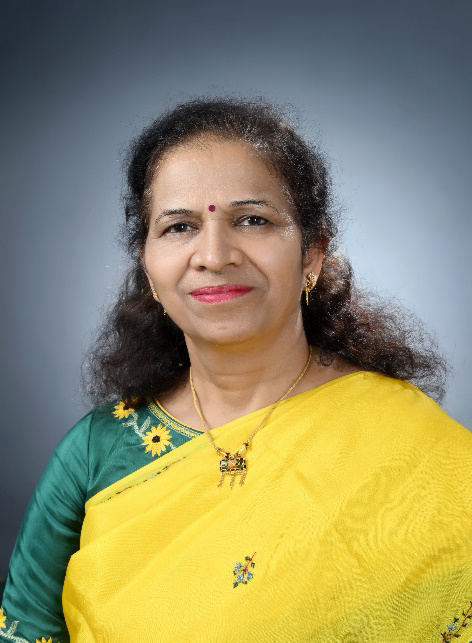
Dr. Bharati Abhyankar is a senior obstetrician and gynaecologist with over 37 years of experience, specialising in colposcopy, cervical cancer screening, and routine obstetric and gynaecological care.
View Full Profile →Book a consultation with Dr. Bharati Abhyankar — walk-ins also welcome.