A patient guide to managing knee osteoarthritis with medication, exercise, and lifestyle changes.
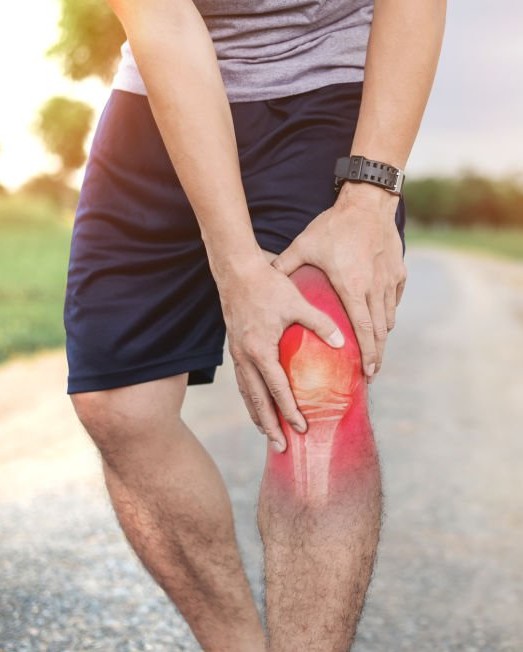
Knee pain is one of the most common reasons people see a doctor, especially as they get older. While causes of knee pain vary from simple degenerative changes to inflammatory pathologies, one of the leading causes in adults is osteoarthritis, or in simple terms, “wear-and-tear” of the knee joint. The good news is that knee osteoarthritis is very manageable. With the right combination of exercise, lifestyle modification, and medicines, most people can significantly reduce pain and stay active.
Osteoarthritis (OA) develops when the protective cartilage that cushions the ends of the bones in the knee joint gradually breaks down. As cartilage thins, bones can rub against each other, leading to pain, stiffness, swelling, and a reduced range of motion. Knee OA tends to develop slowly over years and is more common in people over 55 years of age, those who are overweight, those with previous knee injuries, and those with a family history of arthritis.
Common symptoms include:
There is no permanent cure for osteoarthritis other than surgery in the form of knee replacement, but that is the last resort after everything else fails. Treatment focuses on relieving pain, improving function, and slowing further joint stress. Most guidelines, including those from the Osteoarthritis Research Society International (OARSI) and the American College of Rheumatology (ACR), recommend a combination approach: medication for pain relief alongside exercise, activity modification, and weight management as the foundation of care.
Medications can help control pain so that you can stay active and participate in exercise, which is itself one of the most effective long-term treatments. Options include:
Because every medication carries some risk, it's important to talk with a doctor or pharmacist about which analgesic is right for you, especially if you have other health conditions such as stomach ulcers, kidney disease, or heart problems. Medication works best as a bridge to help you stay comfortable enough to keep moving — not as a substitute for exercise and activity changes.
Across nearly every major clinical guideline, exercise is considered the single most important treatment for knee osteoarthritis. It may seem counterintuitive to move a painful joint, but regular, appropriate exercise reduces pain, improves function, and helps protect the joint over time. Studies consistently show that people who exercise regularly have better outcomes than those who rely on medication alone.
Helpful types of exercise include:
The exercise protocol need not be anything fancy — even starting with short daily walks and basic stretching makes a meaningful difference. Consistency matters more than intensity — the benefits of exercise tend to fade if it is stopped, so building a sustainable, ongoing routine is key.
Activity modification means adjusting how you move and what you do day-to-day to reduce stress on the knee while still staying active. This is not about avoiding movement altogether, but about being smart with it. Useful strategies include:
Activity modification works hand-in-hand with exercise: the goal is to reduce unnecessary joint stress while still engaging in the movement the knee needs to stay strong and mobile.
Strong muscles around the knee act like a natural brace, absorbing shock and stabilizing the joint so that less force passes through the worn cartilage. Research consistently identifies muscle strengthening, particularly of the quadriceps, as one of the best-supported treatments for knee OA, producing meaningful improvements in both pain and function.
Key muscle groups to target include:
A typical program starts with low-resistance exercises and gradually progresses as strength improves, ideally under the guidance of a physical therapist who can ensure correct form and appropriate progression. Many people notice improvement within several weeks of consistent practice, although ongoing strengthening is needed to maintain the benefit — strength gains tend to decline if exercises are stopped.
Knee osteoarthritis is best managed with a combined approach rather than any single treatment. Analgesics can take the edge off pain so you can move comfortably; exercise and muscle strengthening build the support your knee needs over the long term; and activity modification helps you protect the joint in daily life. Most people see meaningful improvement when these elements are used together consistently.
If knee pain is persistent, worsening, or limiting your daily activities, it's worth discussing a personalized treatment plan with a doctor or physical therapist. They can help confirm the diagnosis, rule out other causes of knee pain, and tailor medication and exercise recommendations to your specific situation.
This article is for general educational purposes and is not a substitute for personalized medical advice. Please consult a healthcare professional before starting any new medication or exercise program.
Patient names used in this article have been changed and are fictional. Any resemblance to actual persons, living or dead, is purely coincidental. Cases are presented for educational purposes only.

Dr. Rushikesh Abhyankar is an orthopaedic surgeon specialising in knee replacement, arthroscopy and trauma care. He is fellowship-trained in robotic-assisted knee replacement and a published researcher in PubMed-indexed journals.
View Full Profile →Book a consultation with Dr. Rushikesh Abhyankar — walk-ins also welcome.